Unions Erupt in Protests in India Against Anti-Worker Labour Codes
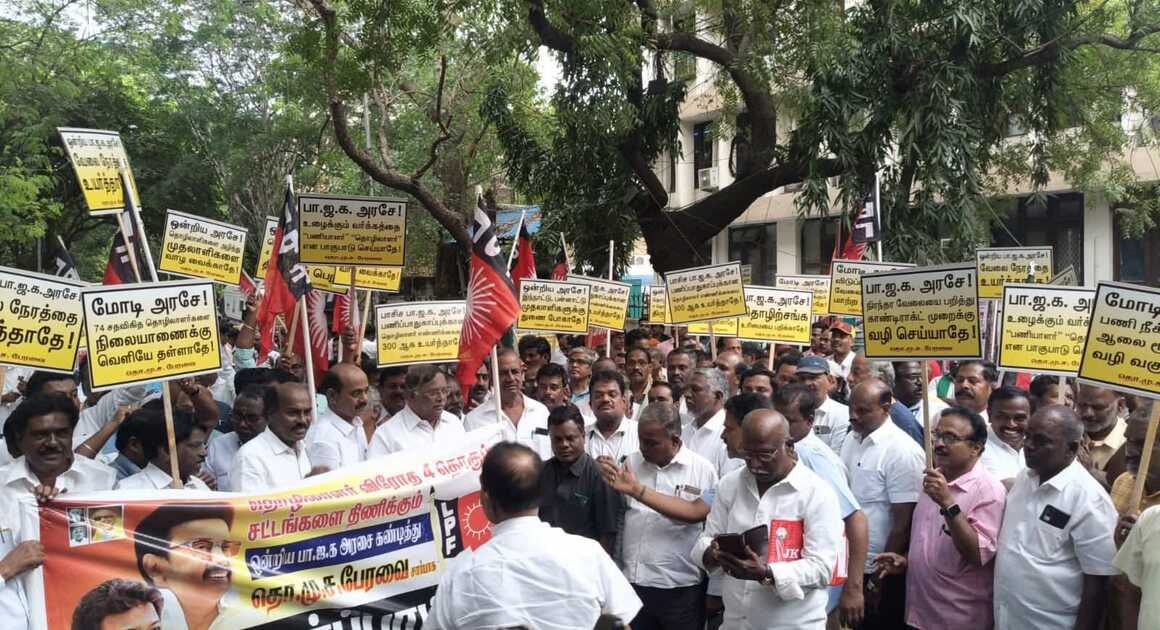 Labour Progressive Front, including Tamilnadu Electricity Employees Progressive Union, protesting implementation of the four Labour Codes
Unions across India are denouncing the four Labour Codes as a direct attack on workers’ rights, job security and trade union democracy. They warn the Codes will legalise hire-and-fire, deepen precarity and fuel privatisation—and are vowing to fight until these anti-worker laws are withdrawn.

Jyotsna Singh
The All India National Life Insurance Employees Federation (AINLIEF), the Indian National Municipal & Local Bodies Workers Federation (INMLBWF), Labour Progressive Front and Tamilnadu Electricity Employees Progressive Union have strongly condemned the Central Government’s move to implement the four Labour Codes, calling them a direct assault on workers’ rights and trade union democracy.
On 26 November 2025, AINLIEF and INMLBWF joined other central trade unions in India in a nationwide struggle and agitation at Dharna Chowk in Hyderabad, as part of a coordinated protest against the Codes. The federations said the so-called “reforms” will fundamentally reshape India’s labour landscape in favour of employers and big corporates.
According to AINLIEF and INMLBWF, the Codes dilute job security, make hire-and-fire easier, weaken trade unions, reduce workplace safety safeguards, and erode social security for organised, unorganised, and gig workers alike. They warn that these changes will push lakhs of workers into precarious, insecure employment.
In July, millions of workers in India had gone on strike against anti-labour policies, including the labour codes.
V. Narasimhan, President, All India National Life Insurance Employees Federation
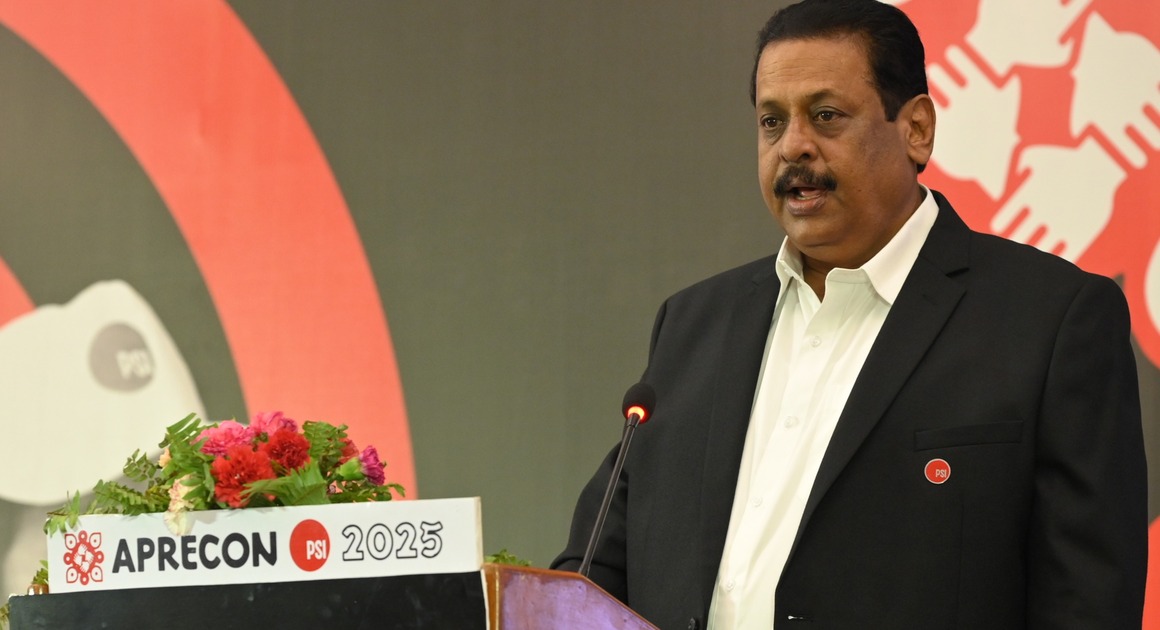
Instead of listening to those who keep this economy running, the government is choosing to ignore us and side with corporate interests,”
“These Labour Codes are not reforms, they are a rollback of hard-won rights. They make hire-and-fire easier, weaken collective bargaining, dilute safety norms and hollow out social security for organised, unorganised and gig workers alike. In the name of ‘simplification’, the government is handing employers more power and stripping workers of protections that took decades of struggle to win,” said Shubham Sharma, Youth Advisor, Delhi State Electricity Workers Union and Asia Pacific region’s young worker representative in PSI’s Executive Board.
Unions argue that the consolidation of 29 existing labour laws into four Codes is being used as a cover for deregulation. The Codes will accelerate privatisation and outsourcing across key public services. By making it easier for employers to hire workers on short-term, low-paid contracts with weaker protections, the Codes create strong incentives for governments and public-sector employers to replace regular jobs with outsourced, contract and PPP arrangements. This not only undermines stable employment and unionisation, but also opens the door for private contractors to take over core functions in municipal services, health, education and utilities—often with poorer conditions for workers and lower accountability to the public. In this sense, the Labour Codes are not just an attack on workers’ rights; they are also a quiet tool for pushing privatisation and eroding the public character of essential services.
Across sectors, unions have repeatedly highlighted that the Codes do not guarantee universal social security, fail to ensure a living wage, and leave large groups of workers—especially in informal and scheme-based work—outside meaningful protection. Rather than strengthening enforcement, the new framework weakens inspection and grievance redressal mechanisms, making it even harder for workers to assert their rights.
“Trade unions across India have been opposing these Codes from the very beginning—through memorandums, strikes, joint actions and sustained campaigns. It is deeply unfortunate, and frankly undemocratic, that despite this united resistance and clear warnings from workers, the government is still pushing ahead with implementation. Instead of listening to those who keep this economy running, they are choosing to ignore us and side with corporate interests,” said V. Narasimhan, President, All India National Life Insurance Employees Federation.
Adil Shariff General Secretary, Indian National Municipal and Local Bodies Workers Federation (INMLBWF–INTUC)
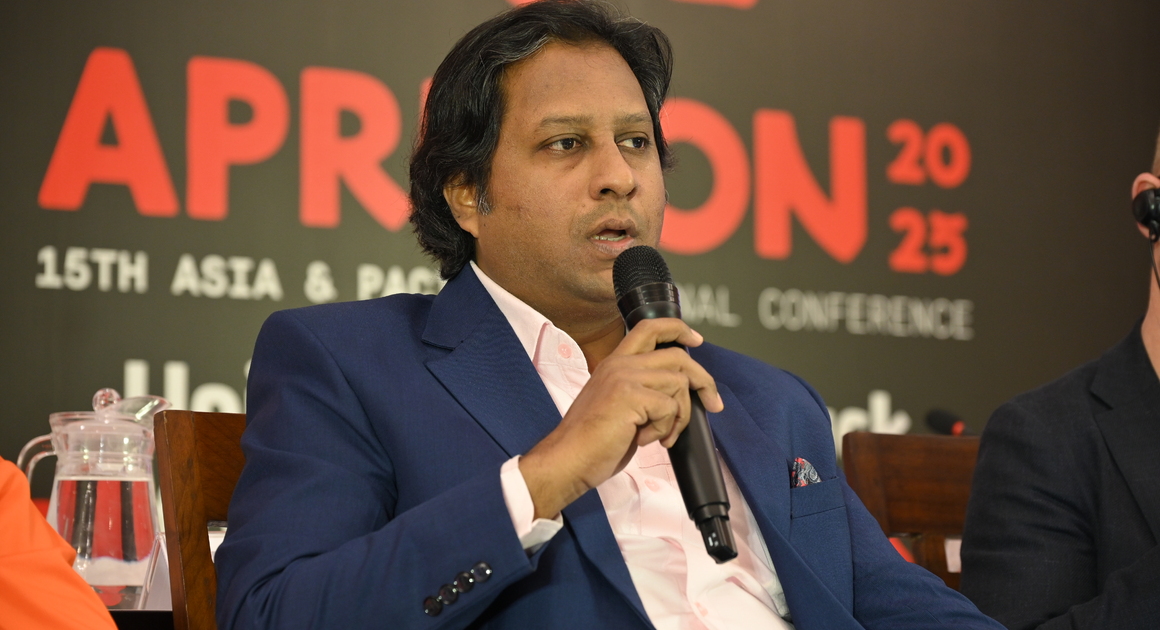
We call on all state governments to stand with workers, refuse to implement these Codes in their current form, and join us in demanding that the Centre withdraw them and engage in genuine consultation with trade unions
As part of the Hyderabad programme, Adil Shariff, General Secretary, Indian National Municipal and Local Bodies Workers Federation (INMLBWF–INTUC), along with representatives of central trade unions (INTUC, AITUC, HMS, AIUTUC and others), met Shri Vivek Venkateswamy, Hon’ble Minister for Labour, Employment and Mines, Government of Telangana. They submitted a memorandum urging the state government not to implement the four Labour Codes brought by the Central Government, describing them as “anti-labour, anti-national and anti-constitutional” in the context of Telangana.
The memorandum calls on the state to protect existing labour protections, strengthen labour departments and inspection systems, and insist on genuine tripartite consultations before any changes are made to the legal framework. Unions emphasise that states still have room to decide how and when to notify and operationalise the Codes, and they are urging state governments to use that space to side with workers.
“Our message is clear: we will not accept these anti-worker Codes in silence. AINLIEF, INMLBWF and other central trade unions will continue to protest, organise and raise these issues in every forum available to us. We call on all state governments to stand with workers, refuse to implement these Codes in their current form, and join us in demanding that the Centre withdraw them and engage in genuine consultation with trade unions,” said Shariff.
The federations are demanding the immediate withdrawal of the Labour Codes and calling on the Central Government to return to the table with meaningful dialogue. They insist that any changes to labour law must strengthen—not weaken—workers’ rights, ensure a universal living wage, expand social security, and reaffirm the role of trade unions and collective bargaining in a democratic society.
