PSI Statement Stop the Killing of Sanitation Workers in India
PSI condemns the preventable deaths of sanitation workers in Raipur, exposing a systemic crisis of unsafe conditions, caste-based discrimination, and over 622 deaths in nine years. It calls for urgent action, including mechanisation, accountability, and unionisation to protect workers’ lives and dignity.

Jyotsna Singh
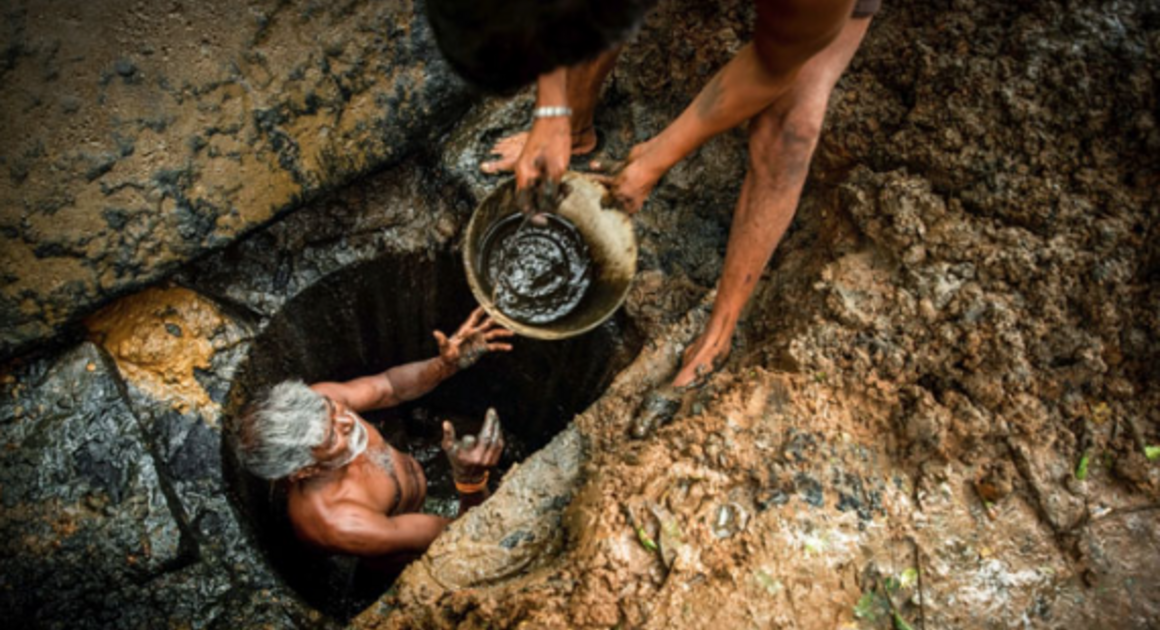
PSI strongly condemns the deaths of three sanitation workers – Anmol Manjhi (25), Govind Sendre (35), and Satyam Kumar (22) – in Raipur, Chhattisgarh, while cleaning a septic tank at a private hospital. Another worker remains injured. This is not an accident. This is a preventable killing caused by systemic neglect, unsafe working conditions, and the continued outsourcing of hazardous work without accountability.
The details are tragically familiar. One worker entered the septic tank and fell unconscious. Others followed in an attempt to rescue him and succumbed to the same toxic environment. This cycle of death has repeated itself across India for a long time. Across the country, sanitation workers continue to work without protective equipment, without training, and without safety protocols.
P.S Umesh Babu, Sanitary Field Assistant in Greater Hyderabad Municipal Corporation (GHMC) and Organizing Secretary, Municipal Sahakar Mazdoor Union, INTUC, said, “We go into septic tanks and gutters without masks, oxygen, or any safety gear. If something happens, there is no rescue plan. We are left to die. We are not given health security or medical benefits in any form.”
The scale of this crisis is staggering. According to government data shared recently in the Parliament, at least 622 sanitation workers have died in sewers and septic tanks in India since 2017, i.e. in merely nine years. The document gives “details of sanitation workers who lost their lives due to hazardous cleaning of sewer and septic tanks.” These are not isolated incidents—they are the result of a system that normalises unsafe work and treats workers as disposable.
P.S Umesh Babu Organizing Secretary, Municipal Sahakar Mazdoor Union, INTUC
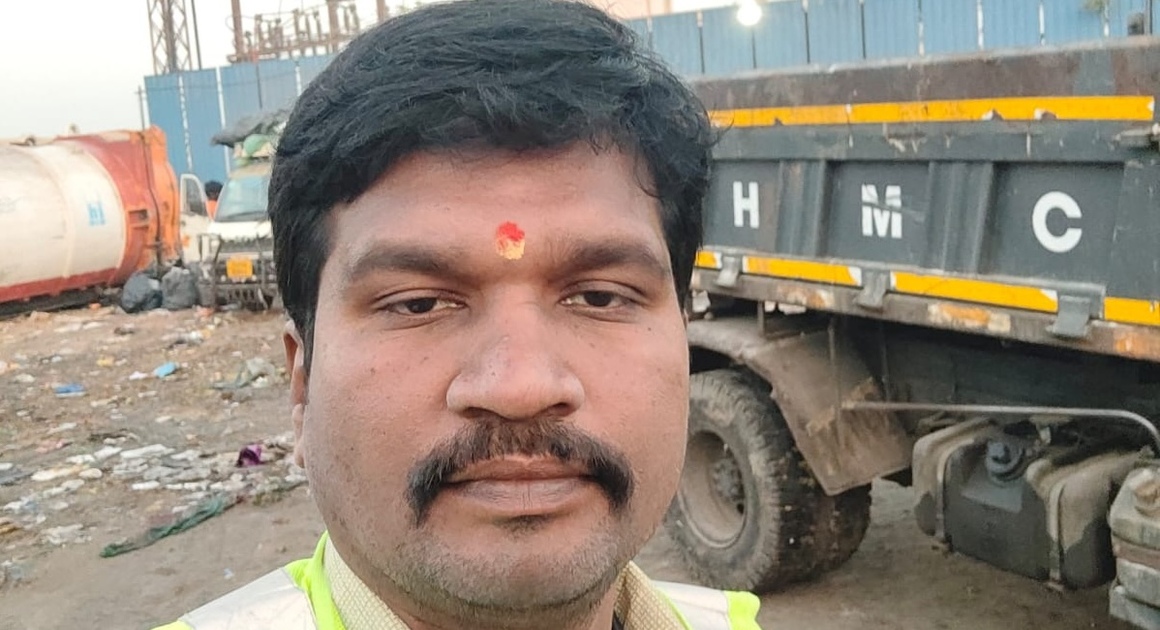
We go into septic tanks and gutters without masks, oxygen, or any safety gear. If something happens, there is no rescue plan.
“These are just the recorded deaths with the government. The real numbers would be much higher and should ring alarm bells among policy makers and the common people, alike,” said Adil Shariff, General Secretary, Indian National Municipal and Local Bodies Workers Federation (INMLBWF–INTUC).
Sanitation workers die because of toxic gases inside septic tanks—methane, carbon dioxide, ammonia, hydrogen sulphide etc. Without protective equipment or ventilation, entering these spaces is a death sentence.
“This is not only a labour issue—it is deeply tied to caste-based discrimination. Sanitation work in India continues to be assigned along caste lines, leading to entrenched inequality and state apathy. The persistence of manual, hazardous sanitation work reflects a failure to dismantle caste-based occupational structures,” said Shariff.
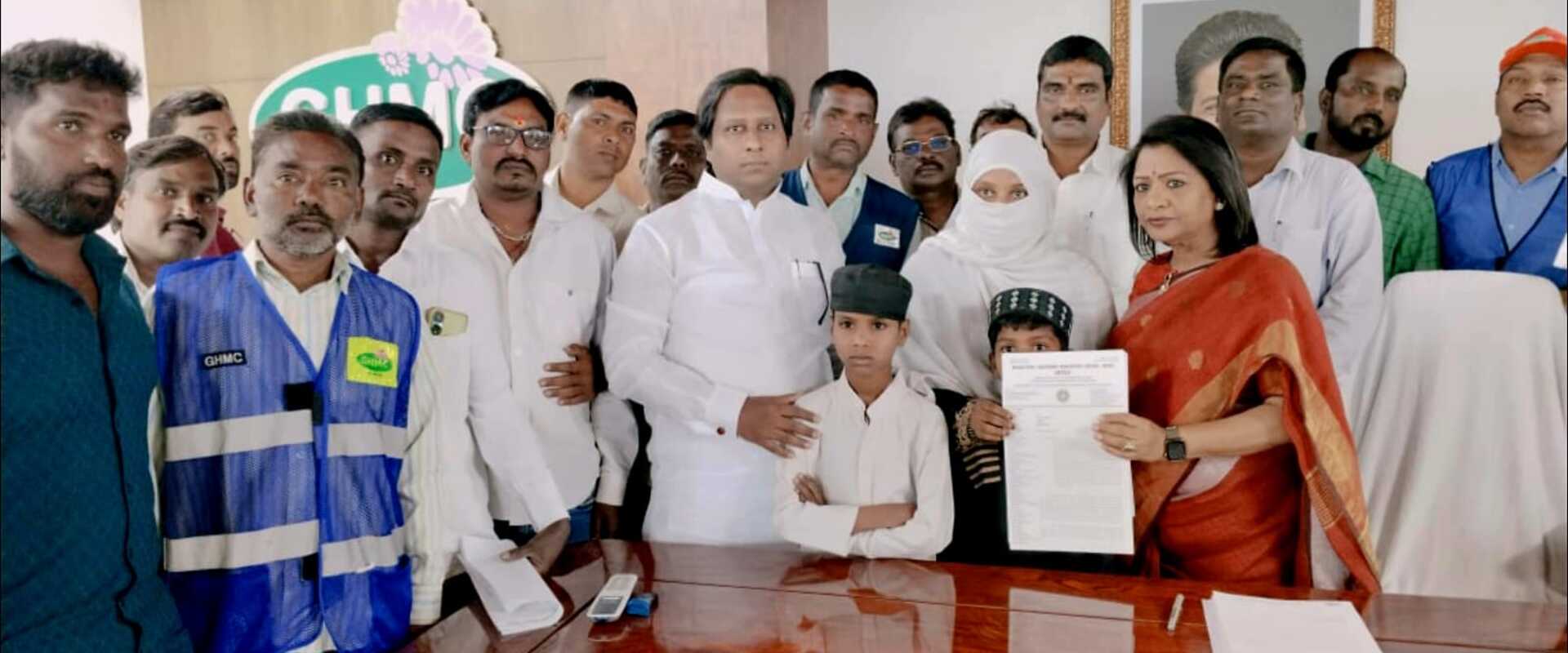
A few months ago, an Entomology worker of GHMC died while cleaning a lake at HUDA Park, Langar House, Hyderabad. This death further exposes the deadly conditions sanitation workers are forced to endure. Despite clear Supreme Court prohibitions, workers continue to be sent into hazardous environments without protective gear or safety protocols, often through contractors who evade accountability.
INMLBWF, along with nearly 100 activists, protested the incident, demanding a complete ban on deploying workers into lakes and septic tanks, ₹25 lakh compensation, and a government job for a family member. While all the demands are yet to be met, GHMC compensated the worker’s family with ₹2 lakh.
“We are now fighting and pursuing for an additional ₹10 lakh by the state government,” said Sharrif. “This is a partial victory. Where workers are organised and unionised, conditions improve. Governments must create conditions for sanitation workers to form and join unions so they can collectively fight for their rights and lives.”
Adil Shariff General Secretary, Indian National Municipal and Local Bodies Workers Federation (INMLBWF–INTUC)

Where workers are organised and unionised, conditions improve. Governments must create conditions for sanitation workers to form and join unions
The Government of India’s NAMASTE scheme (National Action for Mechanised Sanitation Ecosystem) recognises the need for mechanisation, safety, and dignity in sanitation work, including the goal of zero fatalities and provision of protective equipment and training. However, unless it is implemented properly with strong enforcement, worker participation, and an end to unsafe contractual practices, it will remain only on paper.
“PSI is working with sanitation workers and their unions across South Asia to demand safety, dignity, and rights at work. But the increasing contractualisation of sanitation work is making workers more vulnerable, denying them job security, safety protections, and, most importantly, the ability to unionise. Without unionisation, workers cannot collectively demand their rights or hold employers accountable,” said Kannan Raman, Sub-regional Secretary, PSI South Asia.
PSI demands urgent action particularly from the Ministry of Housing and Urban Affairs, Ministry of Social Justic and Empowerment, Ministry of Labour and Employment and Municipal Corporations at state and local level to addressing the following concerns:
Criminal accountability for contractors, employers, and institutions responsible
Full compensation and rehabilitation for affected families
Immediate mechanisation of sewer and septic tank cleaning
Strict enforcement of safety standards and prohibition of manual entry
Recognition and protection of sanitation workers’ rights, including those in informal and contractual employment
PSI stands in solidarity with the families of the workers and demands justice.