7 April - World Health Day Public Service Workers Urge Leaders to Put People Over Profit for "One Health"
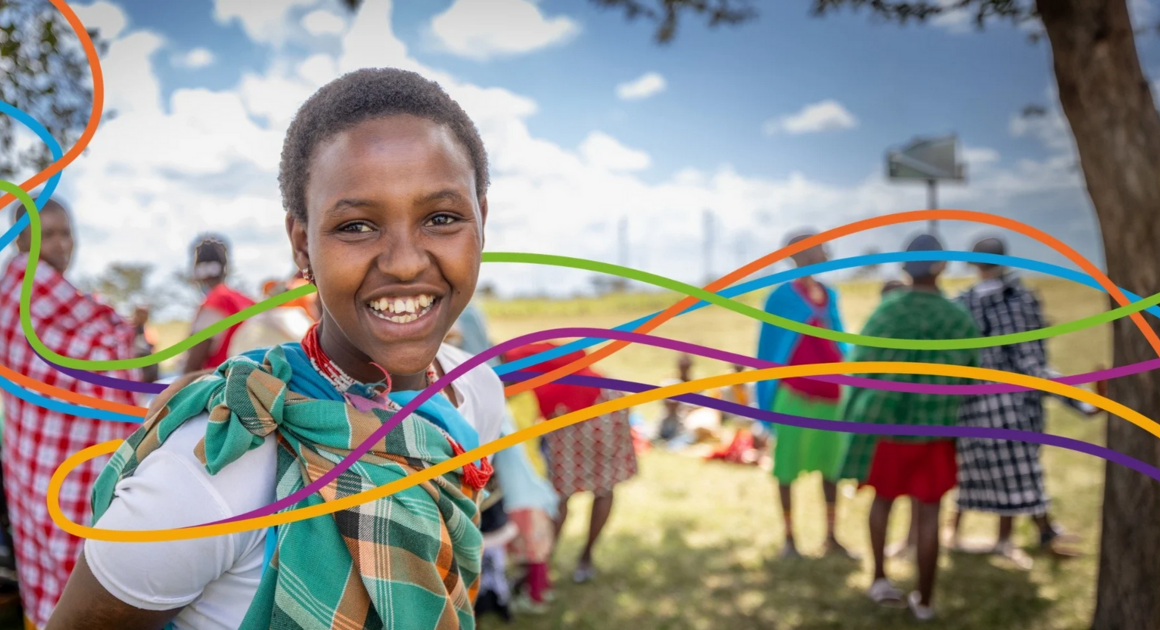
On World Health Day, as the “Together for Health: Stand with Science” campaign is launched and world leaders gather in Lyon for the One Health Summit, PSI highlights the frontline role of health workers and public services in "One Health" - an integrated, unifying approach that underscores the deep interconnectedness of human, animal, and ecosystem health.

Baba Aye
The World Health Day (WHD) holds today in the midst of an increasingly tumultuous world. The day has been observed over the years to commemorate the entry into force of the World Health Organization’s constitution on 7 April 1948, with themes that draw attention to key issues of concern for achieving universal enjoyment of the right to health.
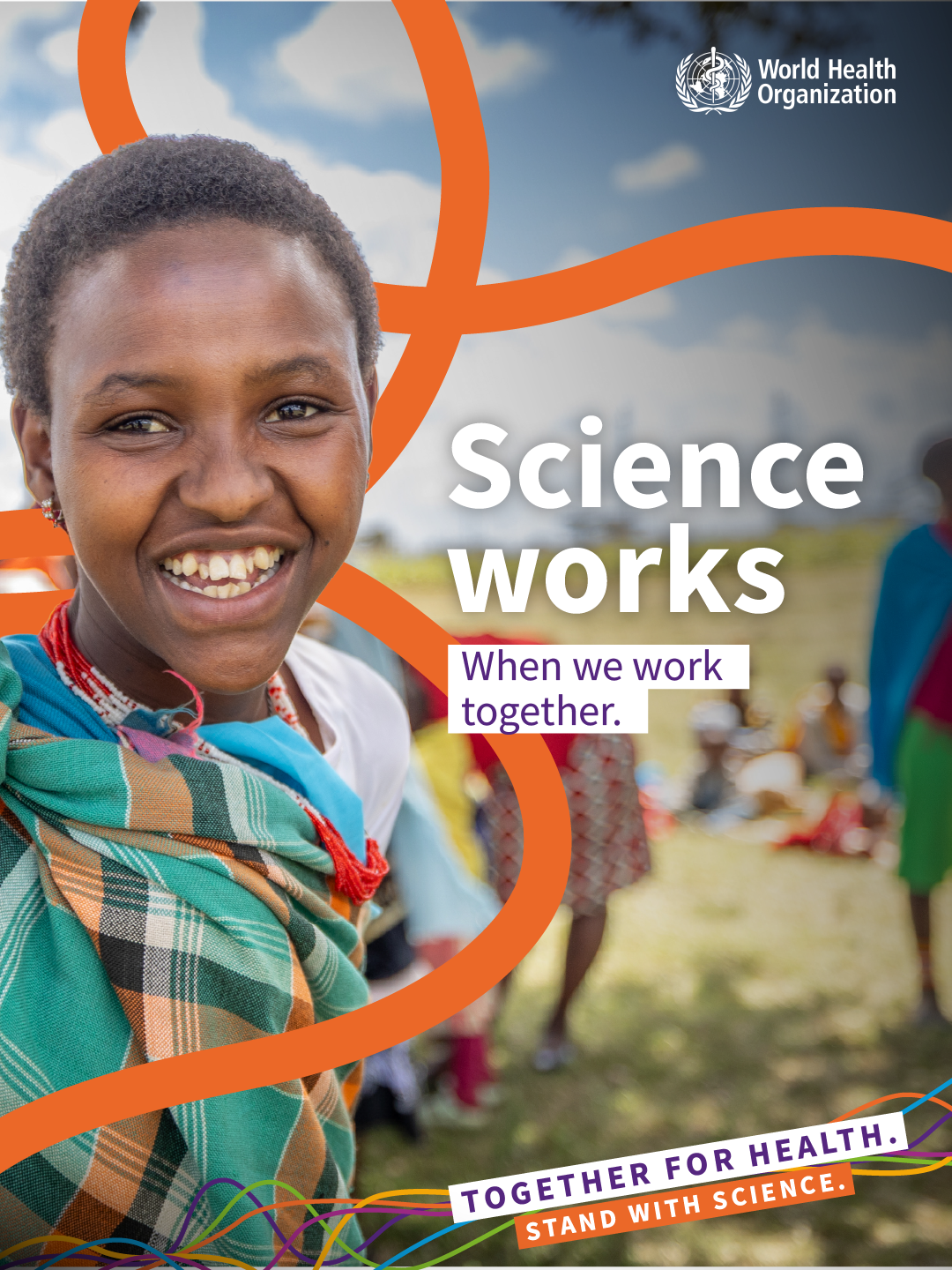
This year, WHO calls on people worldwide to stand with science, under the theme “Together for health: Stand with science”. The day will equally mark its launch of “a year-long campaign celebrating the power of scientific collaboration to protect the health of people, animals, plants and the planet.” And with this, WHO invites people everywhere to celebrate scientific achievements and engage with evidence.
Thus, from today, the campaign aims to draw global attention to the One Health approach, which has become increasingly important for international health in the wake of the COVID-19 pandemic. It is “an integrated, unifying approach” which underscores the interconnectedness of human health, animal health and the ecosystem. Public authorities and workers delivering public services are essential for One Health.
The wealthier countries of the Global North have thus far pushed positions that would primarily benefit their countries’ corporations. But these would be detrimental to the very essence of the One Health approach.
Universal access to quality health care is necessary for safeguarding human health. But it is not sufficient. The impact of zoonotic transmission of diseases on the emergence and spread of diseases, and the connection of this with the climate crisis shows the need for humankind to maintain a healthy balance with nature. This requires our nurturing a healthy Earth.
Health workers have been on the frontline of humankind’s defence against the rampaging incursion of the microbial world. And public services are crucial for the coordination of a healthy balance of the biotic and abiotic factors of the global ecosystem.
Public authorities, as national, regional and local governments, have to create plans, pass laws and fund collaborative work between health, agriculture and environment ministries and departments. Dedicated public agencies have to jointly run surveillance systems that involve a broad array of public service workers including medical practitioners, nurses, veterinarians, ecologists, environmental health officers, and wildlife biologists.
There is abundant evidence that highlight the forces which have impeded the full realisation of the right to health, and undermined the health of the Earth. These social forces driving the “triple planetary” crisis of climate change, ecological emergency and biodiversity loss are the same social forces and ideology gutting the capacity of public authorities to adequately live up to the tasks of ensuring health for all, and One Health.
These are the corporations and the normalisation of the profit-motive as the primary motif of socio-economic life. The last half a century of neoliberalism, driven by these interests, have seen sharp cuts in public funding of health and public services, austerity measures, privatisation and marketisation.
The pursuit of the neoliberal project in health and all of social life has become more aggressive despite what the evidence shows: this paradigm of development contributed significantly to poor pandemic preparedness for COVID-19 and undermined response by putting for-profit interests over a waiver for vaccines.
As we argued in the immediate aftermath of the pandemic: “One Health” in a world of multiple crises is a necessary but insufficient approach. The evidence is clear. World leaders need to make fundamental changes to the global political economy and regulatory processes, in ways that put people and the planet first.
It is instructive that the launch of a campaign based on standing together for health by standing with science is coming up as the last round of negotiations on the Pathogen Access and Benefit Sharing (PABS) annex of the WHO Pandemic Agreement is about to take place before the Seventy-ninth session of the World Health Assembly.
Heads of State and Government from around the world are gathered in Lyon, France where they will hold the High-Level Session of the International One Health Summit hosted by the Government of France under the French G7 Presidency, today. To walk the talk of “Together for health”, genuinely “Stand with the science” and unleash “the power of scientific collaboration to protect the health of people, animals, plants and the planet”, they must commit to standing up for equity in the PABS negotiations.
The wealthier countries of the Global North have thus far pushed positions that would primarily benefit their countries’ corporations. But these would be detrimental to the very essence of the One Health approach.
As PSI has repeatedly argued, “all governments must put people over profit”. The evidence shows that this is what the world needs. That is how we can genuinely stand together for health. It is the only sure way of protecting “One World, One Health”.