War PSI calls for Ceasefire in Iran and the Middle East
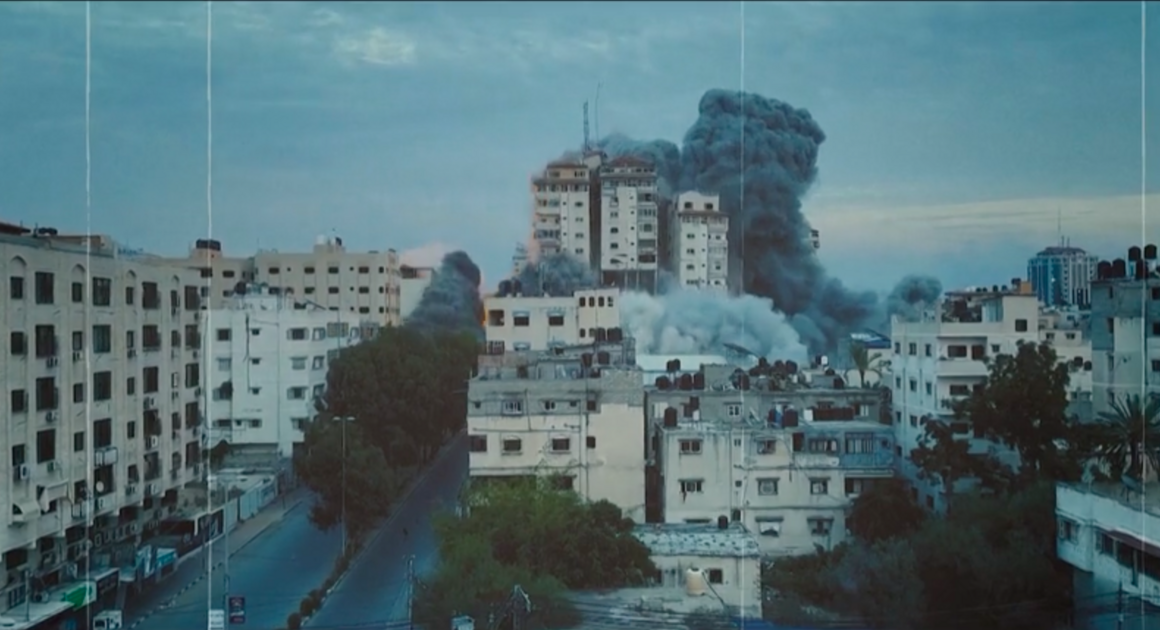
PSI and other Global Union Federations condemn the ongoing military attacks carried out by the United States and Israel against Iran and subsequent escalation of violence across the region. We demand an immediate ceasefire and full de-escalation to prioritise diplomacy and dialogue, including a strengthened, coordinated role for the United Nations.
Comms
The history of foreign intervention in the region shows that it rarely brings democracy and peace. Rather it has destabilised and promoted radicalism and repression. The strikes carried out by the United Sates and Israel, and Iran’s subsequent escalation, has cost civilian lives, and brought forced displacement, fear and instability to the whole region. The future of Iran must be determined by the Iranian people in accordance with international law, including the UN Charter and the protection of civilians. Workers’ voices — too often silenced by authoritarian governance and the logic of militarisation — must be heard.
Today PSI:
Affirms our solidarity with all civilians affected by the conflict, regardless of nationality or background.
Draws attention to the heightened risks faced by public service workers in emergency response services, maintaining essential health care, water and sanitation and other critical community functions amid violence.
Calls for respect for international humanitarian law, including the protection of civilians, health workers, and public infrastructure.
Urges immediate and sustained international efforts toward de-escalation, humanitarian access, and a peaceful resolution that preserves lives and prevents further displacement.
PSI General Secretary Daniel Bertossa said:
“This violent escalation is against the interests of workers everywhere. Public service workers in particular face significant risks as they rush to support and protect communities under bombardment, with civilian infrastructure including hospitals already facing attacks. Our global labour movement demands an immediate ceasefire, respect for international law and a return to negotiations.”
The Global Union Federations call for an immediate ceasefire and an end to the military escalation in Iran and the Middle East
The undersigned Global Union Federations (GUFs) condemn the recent military attacks carried out by the United States and Israel against Iran, including air strikes that have resulted in civilian deaths, injuries, and the destruction of critical public infrastructure — among them schools and medical facilities.
These actions represent grave violations of the UN Charter and international humanitarian law and further escalate a conflict whose human cost is borne overwhelmingly by working people.
Workers, civilians, and public institutions must never be targets of military operations. The killing and injuring of students, teachers, and education personnel, and the destruction of protected civilian spaces such as schools and hospitals, is intolerable and must be unequivocally condemned.
The GUFs are also concerned by the subsequent retaliatory attacks by Iran. Escalation will only deepen instability, threaten civilian lives, including migrant workers and transport workers in ports, airports and at sea – who have already been reported killed and injured as violence spreads across the region – a caught in the crossfire, and risk plunging the region into a wider, devastating war.
The global trade union movement stands united in rejecting the use of military force that fuels cycles of violence, and undermines the foundations of peace, justice, and multilateral cooperation. Diplomacy — not armed confrontation—remains the only legitimate path toward security and lasting peace.
As unions representing millions of workers across sectors and continents, we call on the international community to:
Condemn the use of military force by all parties and prevent further escalation;
Ensure an immediate ceasefire and full de-escalation;
Prioritise diplomacy and dialogue, including a strengthened, coordinated role for the United Nations;
Defend international law, including the UN Charter and the protection of civilians;
Safeguard critical public infrastructure such as schools, hospitals, and workplaces;
Uphold human rights, labour rights, democratic freedoms, and freedom of association across the region;
The GUFs stand in unwavering solidarity with workers, independent unions, and communities in Iran and throughout the region. Workers’ voices — too often silenced by authoritarian governance and the logic of militarisation — must be heard. The future of Iran, and of the region, must be determined by its people themselves, free from external aggression and internal repression.
We reaffirm our commitment to building a world in which conflicts are resolved through negotiation, multilateralism is strengthened, and all people have the right to live and work in safety, dignity, democracy, and peace.
Signed by:
Education International
International Domestic Workers Federation
Public Services International
International Federation of Journalists
International Transport Workers’ Federation
IndustriALL Global Union
UNI Global Union
International Union of Food, Agricultural, Hotel, Restaurant, Catering, Tobacco and Allied Workers' Associations
Building and Wood Workers’ International