- Tags (5)
Fighting Privatisation Pakistan: Union Wins Precedent-Setting Case in Industrial Court Against Privatisation
The CDA Mazdoor Union won a groundbreaking ruling from Pakistan’s National Industrial Relations Commission requiring management to consult the recognised CBA before outsourcing key departments. The decision strengthens collective bargaining rights and protects thousands of public sector workers from unilateral privatisation measures.

Jyotsna Singh
A major victory for workers in Pakistan has emerged from the National Industrial Relations Commission (NIRC), which has ruled that the management of the Capital Development Authority (CDA) in Islamabad cannot outsource key departments without consulting the recognised Collective Bargaining Agent (CBA), the CDA Mazdoor Union. The ruling reinforces the legal authority of the workers’ union and strengthens the role of collective bargaining in decisions affecting thousands of public sector workers.
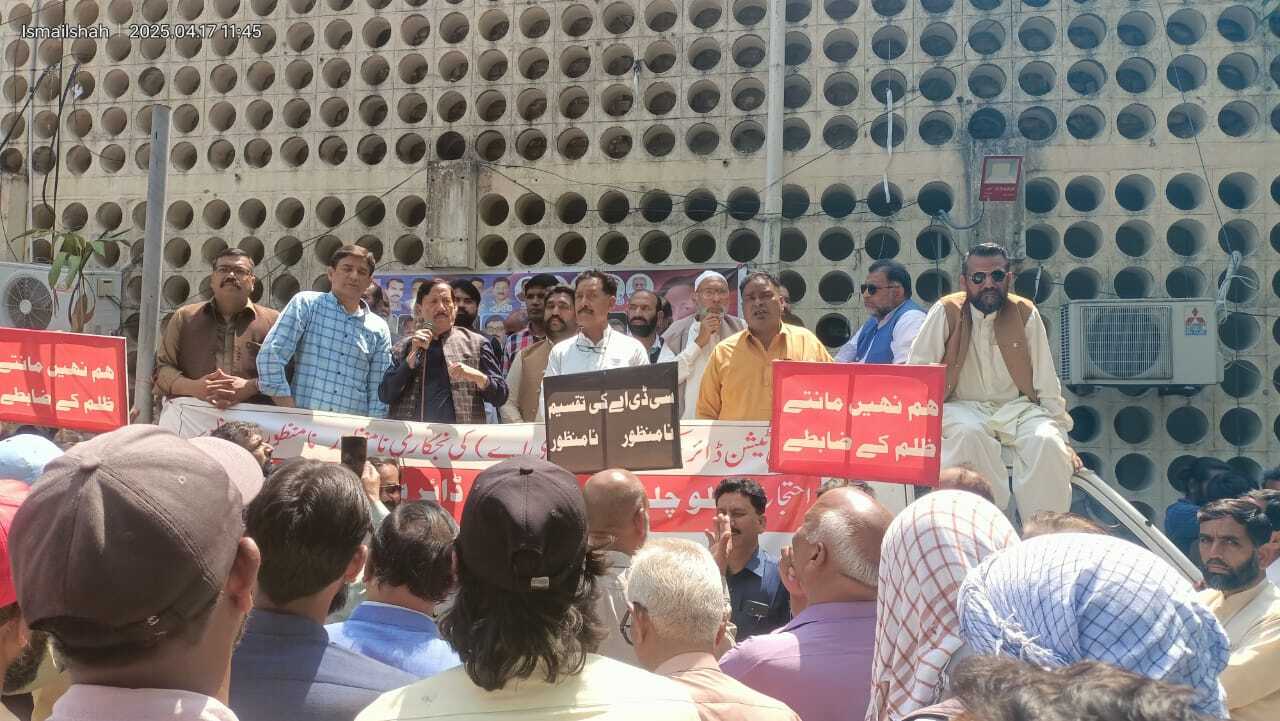
The case, filed by the CDA Mazdoor Union, challenged attempts by management to move forward with outsourcing several directorates including sanitation, water supply, environment, security, and Capital Hospital without consulting the union. After reviewing the case, the Commission directed that no decision regarding outsourcing of these directorates can be taken without consultation with the CBA union representing the workers.
The CDA employs around 13,000 workers across multiple directorates, including sanitation, water supply, environment, security, and health services. The outsourcing plans could have directly affected a significant portion of this workforce. The sanitation department alone employs over 1,300 workers.
The order makes clear that management must act in accordance with the provisions of Pakistan’s Industrial Relations Act, 2012, and cannot bypass the recognised workers’ representative body in decisions that affect employment conditions and organisational structures.
Asad Mehmood Addl General Secretary, CDA Mazdoor Union
This decision clearly establishes that management cannot bypass the collective bargaining agent when taking decisions that affect workers.
CDA Mazdoor Union had approached the court arguing that they need to be consulted on any decision regarding outsourcing lead to changes in working conditions such as “seniority, promotion of the workers, regulations of daily working hours and breaks.”
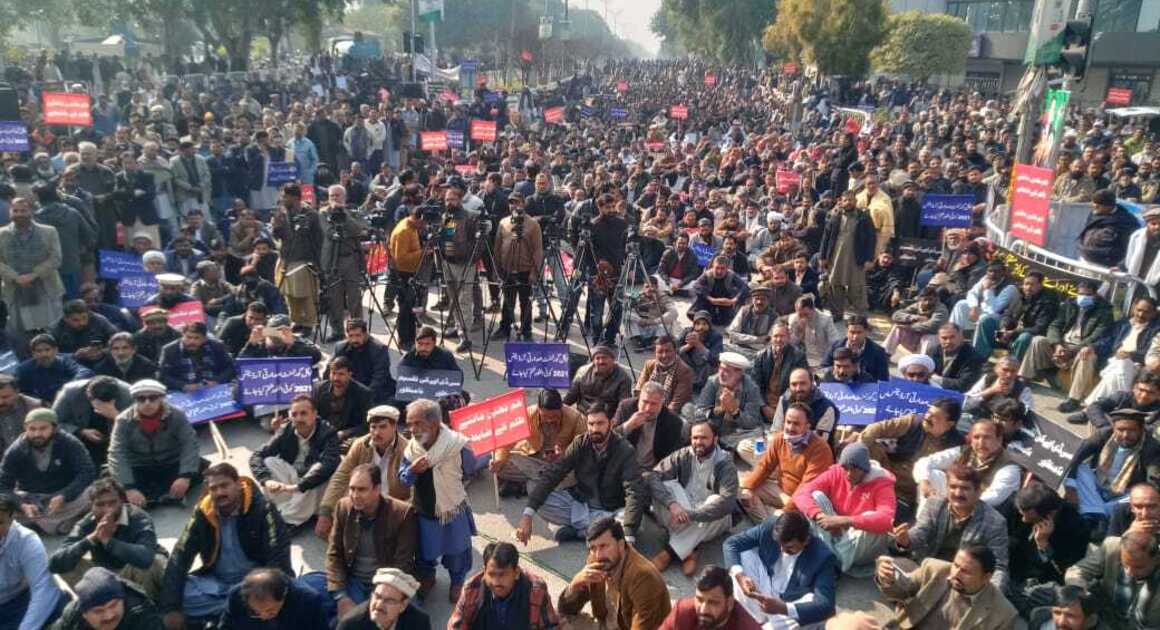
The union has been fighting against attempts at privatisation of the CDA, of which outsourcing is a central component. Last year, the workers protested against the move to privatise Sanitation Directorate. The union has also been raising its voice against the privatisation of Capitol Hospital.
In this regard, recently PSI’s Regional Secretary of Asia Pacific, Kate Lappin also wrote to the CDA to halt privatisation of Capital Hospital. It highlighted the importance of respecting the role of the recognised union in decisions affecting workers, in line with labour laws.
The NIRC verdict comes on the heels of these protests and advocacy measures. It marks an important moment for trade union rights in Pakistan. By explicitly affirming that management must consult the CBA before taking structural decisions, the Commission has reinforced the legal standing of worker representation within the workplace.
For the CDA Mazdoor Union, the ruling strengthens its ability to defend workers in Islamabad against outsourcing and privatisation measures that often undermine job security, working conditions, and public service quality.
“This decision clearly establishes that management cannot bypass the collective bargaining agent when taking decisions that affect workers,” said Asad Mehmood, Additional General Secretary of the CDA Mazdoor Union. “It is a major victory for us. The ruling protects our right to represent workers in critical decisions such as outsourcing and privatisation. It also sends a clear message that unions must be consulted and cannot be ignored.”
The decision comes at a time when outsourcing and privatisation pressures are increasing across public services in South Asia. Trade Unions have repeatedly warned that outsourcing often leads to precarious employment, lower wages, and weaker labour protections.
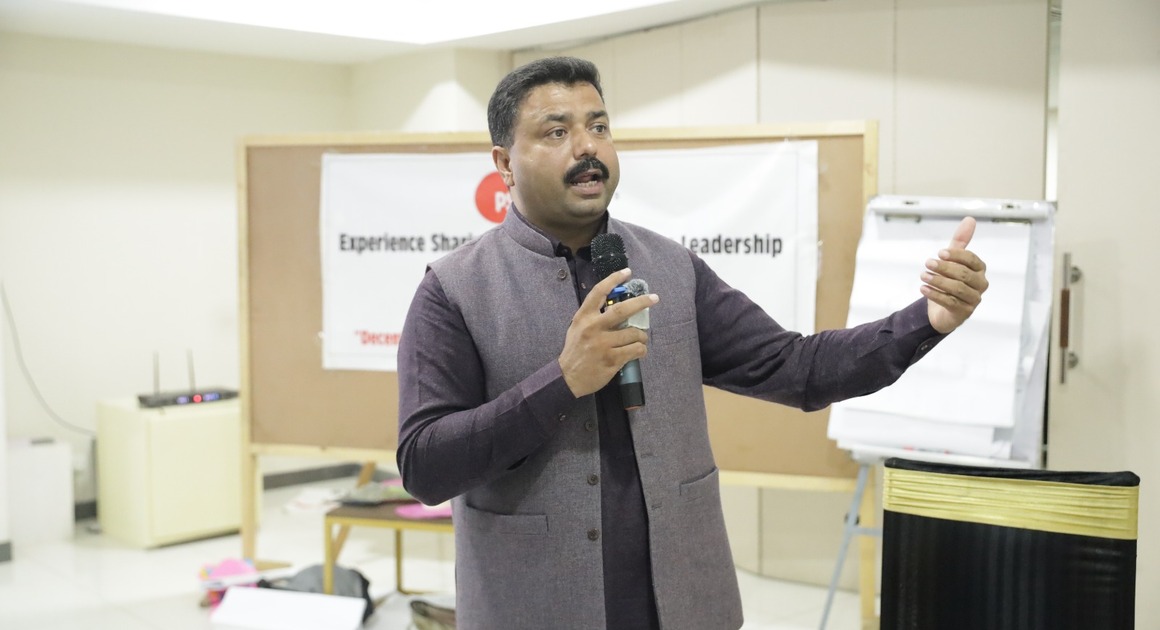
Kannan Raman Sub-regional Secretary, PSI South Asia

This win shows the path, such as legal battles, that collective bargaining agents can take to defend trade union rights and resist privatisation.
The impact of the ruling is already visible. According to reliable sources, CDA management has withdrawn the tender related to the proposed privatisation of the sanitation directorate. This development opens the door for unions to push for insourcing and strengthening of public services, rather than outsourcing essential work.
The decision also carries broader implications for the labour movement across South Asia.
Kannan Raman, PSI Sub-Regional Secretary for South Asia, said the ruling demonstrates how strong unions and recognised CBAs can defend workers’ rights and public services.
“This is an important win not only for the CDA Mazdoor Union but for the whole labour movement in South Asia. It shows the path, such as legal battles, that collective bargaining agents can take to defend trade union rights and resist privatisation. When unions secure CBA status and use it effectively, they can protect workers and public services.” He added that the ruling should encourage more unions across the region to fight for recognition as collective bargaining agents.
“CBA recognition gives unions real power to negotiate, challenge harmful policies, and hold employers accountable. This victory should inspire unions in Pakistan and other South Asian countries to strengthen their organising and claim their rightful role in workplace decision-making.”