- Tags (13)
AFRECON 2025 Gender Based Violence (GBV) Conference
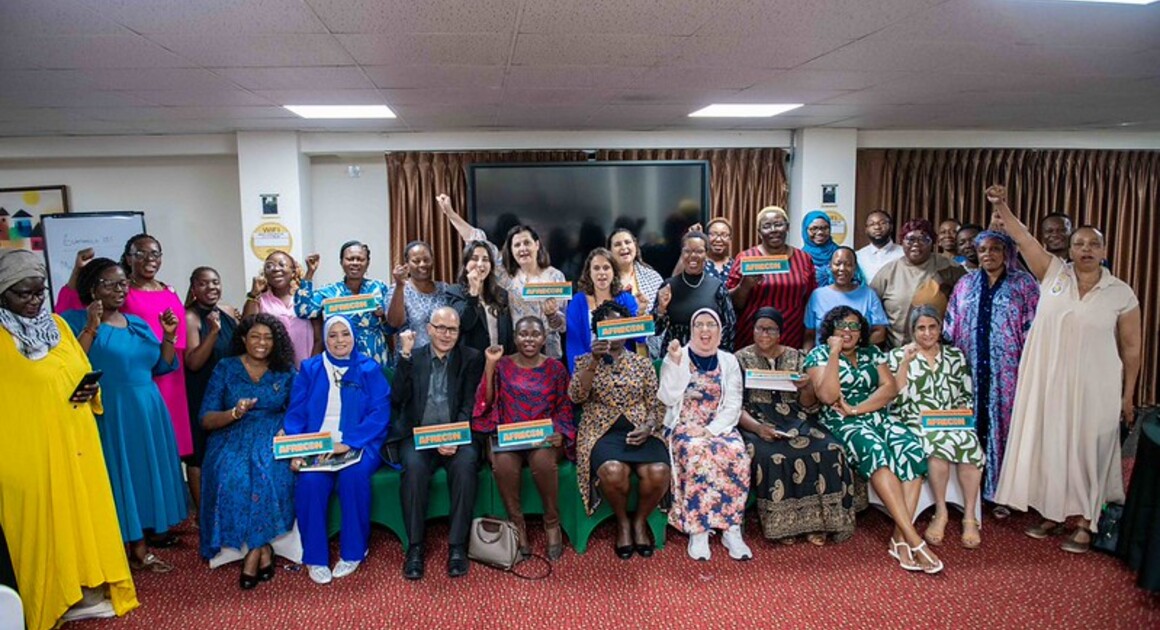
The conference renewed the call for full ratification and implementation of ILO Convention 190, stressing that ending violence and harassment at work requires strong union leadership, enforceable policies, social dialogue and confronting the structural causes of gender inequality.
- Read this in:
- en

Jesse Saidu
The PSI GBV Conference at AFRECON 25 is meeting 4 years since the International Labour Organisation [ILO) adopted Convention 190 (C 190), in June 2021. Only 51 countries ratified the convention, of these 51 countries, 10 were African countries. The approach is multipronged, influencing policy through campaigning, creating safe spaces, awareness raising, popular education and collective bargaining. Through Trade Union Centres /Federations, ITUC and GUFs, unions participated in commenting and improving national legislation to be in-line with the intent and spirit of the Convention. This requires amending existing Codes of Good Practice in handling cases of Gender Based Violence and Harassment (GBVH); Develop internal sexual harassment policies; training and retraining of worker leaders, workplace representatives and or shop stewards.
The Convention is the first international instrument to recognise the right to a world of work free from violence, harassment and gender-based violence. Its emphasis is the common framework for member countries to prevent, remedy and combat violence and harassment. The convention applies across all sectors, forms of employment, across sexes and diversity.
Prior to the conference, PSI held a two-day regional meeting dedicated to unpacking the multifaceted dimensions of gender-based violence (GBV) in public services—from structural inequalities and informal forms of work to the unique position of public service workers as both victims and first responders to violence within their communities.
The conference participants reaffirm that ratification alone is not enough. Real change depends on collective action, feminist trade union leadership and policy making, and sustained social dialogue. The participants recognize that GBV cannot be addressed in isolation; it demands confronting the structural and cultural roots that sustain it.
Therefore, trade unions must change the discourse and challenge the norms that perpetuate inequality and normalisation of violence. Trade unions must build momentum to drive transformative changes that respond to the realities of emerging work patterns and redefine power in the world of work.
Key Take-Aways from the Conference:
a. Safe and Gender-Responsive Unions
Recognition that violence and harassment occur even within unions themselves.
Emphasis on establishing and enforcing sexual harassment policies and codes of conduct—not just at workplaces but within unions and training spaces.
Unions should create safe spaces and make members aware of conduct expectations at every event or meeting.
Need for implementation and enforcement of existing policies to avoid performative compliance.
b. Occupational Health and Safety (OHS) as a Right and Organising Tool
OHS is identified as a fundamental right and an effective entry point for worker organisation.
Issues such as toilet access and dignity were raised as practical and symbolic indicators of workplace respect.
Unions can use OHS committees as a structure to engage employers, improve safety, and build trust with workers.
c. Advocacy for Ratification of ILO Convention 190
Renewed focus on pushing governments to ratify and implement C190 on violence and harassment in the world of work.
Participants from Francophone Africa (e.g., Senegal, Mali) shared progress and commitments made through dialogues with ministers and labor departments.
Participants from Iraq announced the imminent ratification of the convention as it is currently before the parliament.
The session reaffirmed the need for collective union pressure and regional collaboration to advance ratification.
d. Evidence Building and Accountability
Participants emphasised evidence-based advocacy led by unionists themselves, grounded in worker realities, not external research.
Calls were made for gender audits in workplaces and data collection to shape organising and policy priorities.
e. Care, Mentorship, and Rest as Resistance
“Care” was framed as both a personal and community issue, essential to gender justice.
Examples: Ghana’s union initiatives providing support for breastfeeding mothers and shelter for women with young children.
Encouragement to build mentorship systems using transformative approaches.
Participants concluded with reflections on rest and self-care as forms of resistance, patience, and resilience in long-term activism.
Key Recommendations
Restructure Trade Unions to Dismantle Masculine Power Structures and institutionalise gender structures within union constitutions, with budgets and decision-making authority.
Adopt and enforce sexual harassment policies and codes of conduct—both in unions and workplaces.
Conduct gender audits and research to inform evidence-based strategies.
Use OHS committees as tools for organising and promoting safe, dignified work environments.
Advocate for changes in the organisation of work that perpetuate violence and harassment.
Institutionalise Trade Union Participation and Social Dialogue and Integrate C190 provisions into Collective Bargaining
Promote Regional and Global Solidarity.
Run awareness campaigns tailored to local gender dynamics and contexts.
Promote mentorship and care systems that strengthen women’s leadership and well-being.
Continue advocacy for C190 ratification and full implementation across all regions.
Monitor, Evaluate, and Report Progress annually on implementation progress, challenges, and good practices.
Recognize rest and self-care as integral to sustaining gender equality work.