- Tags (2)
Victoire syndicale Les infirmièr.e.s de Papouasie-Nouvelle-Guinée remportent une grande victoire face à la menace d'une grève nationale
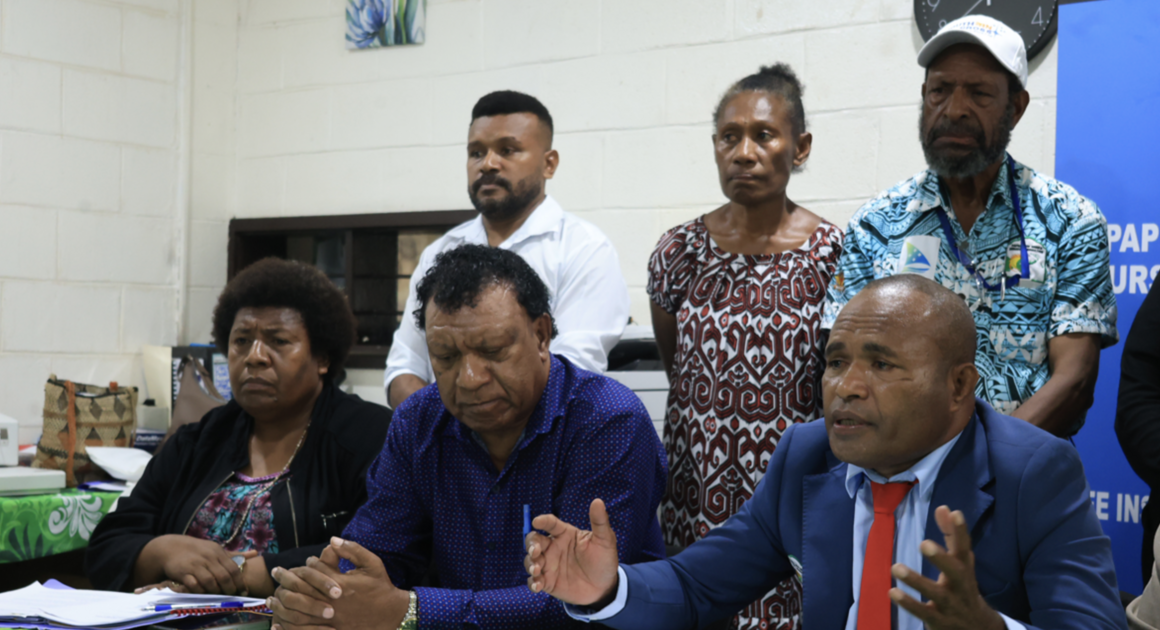
Les infirmièr.e.s de Papouasie-Nouvelle-Guinée ont contraint le gouvernement à s'engager à financer intégralement et à mettre en œuvre la Convention Collective Nationale des Infirmièr.e.s (Nationale Nurses Industrial Award) (2025-2027), longtemps retardée, en brandissant la menace d'une grève nationale, ce qui constitue une victoire syndicale majeure et un exemple fort d'action collective. Ce prix est un accord juridiquement contraignant qui fixe des taux de salaire minimum, des indemnités et des conditions de travail pour les infirmièr.e.s du secteur public.

Jyotsna Singh
Mise à jour :
L'Association des infirmièr.e.s de Papouasie-Nouvelle-Guinée (PNGNA) a remporté une victoire syndicale importante en obtenant l'engagement formel du gouvernement de financer et de mettre en œuvre la Convention Collective Nationale des Infirmièr.e.s (2025-2027), attendue de longue date. Cette victoire est le fruit d'une organisation et de luttes soutenues de la part du syndicat. Les infirmièr.e.s avaient annoncé une grève nationale le 1er avril et des manifestations. L'action de grève menaçait de perturber les services de santé dans tout le pays et a contraint le gouvernement à des négociations urgentes.
Une réunion d'urgence a été organisée entre le Président de la PNGNA, Frederick Goddard Kebai, et le Secrétaire d'État à la Santé, Pascoe Kase. P. Kase a présenté un plan de déploiement détaillé, décrivant le prix comme une priorité pour le gouvernement. Il a confirmé que les ministères de la santé, du trésor, des finances et de la gestion du personnel travaillent ensemble pour assurer une "mise en œuvre coordonnée, transparente et durable".
Selon le calendrier convenu, les autorités commenceront par vérifier et mettre à jour les droits des infirmièr.e.s dans le système de paie Alesco entre le 31 mars et le 30 avril. Cela sera suivi par des paiements échelonnés des droits antidatés, avec 30% à payer entre mai et juillet, 30% supplémentaires entre juillet et septembre, et le solde restant réglé d'ici décembre 2026.
Tout paiement en suspens sera traité dans le budget national de 2027.
Suite à cette assurance, la PNGNA a mis fin aux manifestations. La menace d'une grève nationale et l'élan donné par le syndicat dans tout le pays ont créé la pression qui a poussé le gouvernement à agir.
"Nous avons eu une réunion urgente avec le Secrétaire à la Santé cet après-midi et il nous a assuré que le calendrier de mise en œuvre serait confirmé et communiqué", a déclaré M. Kebai. "Cela va maintenant mettre un terme à la protestation en cours.
Le Secrétaire sous-régional de l'ISP pour l'Océanie, Tom Reddington, a envoyé une lettre de solidarité avec les infirmièr.e.s, que la PNGNA a transmise au Ministère de la Santé. Cette lettre a permis de faire pression sur le gouvernement.
Voici la chronologie des événements :
1. L'accord de PNGNA a été signé en mai 2025 et n'a pas été mis en œuvre, ce qui a conduit PNGNA à menacer l'État d'une grève éventuelle le 1er avril 2026.
2. Fin mars, le PNGNA, par l'intermédiaire de son exécutif, a décidé d'organiser un sit-in de protestation. Le Ministère de la Santé, y compris le ministre de la Santé, a rencontré l'exécutif de PNGNA et l'a informé d'une réponse détaillée et d'un calendrier de paiement à lui fournir.
3. Le Ministère de la Gestion du Personnel (DPM) a répondu à l'ultimatum du PNGNA le 27 mars, qualifiant l'action du PNGNA d'illégale. Le DPM a également assuré au PNGNA que l'accord était juridiquement contraignant et que le gouvernement s'engageait à mettre en œuvre l'accord.
4. Le même jour, le PNGNA a répondu au DPM, déclarant que toutes les procédures et voies administratives avaient été épuisées sans aucun retour raisonnable de la part de l'État, avec un calendrier clair ou même en étant budgétisé dans le budget national de 2026.
5. Le 27 mars, la PEA a publié une déclaration de solidarité pour le PNGNA, appelant le gouvernement à régler les indemnités en souffrance dans le secteur de la santé.
6. Le 30 mars, l'ISP et l'ANMFSA ont publié une déclaration de solidarité avec PNGNA, réitérant l'appel lancé par PNGNA.
7. Le mardi 31 mars, le Secrétaire à la santé a répondu à la PNGNA en détaillant le calendrier de mise en œuvre de la prime.
8. Le 1er avril, l'exécutif du PNGNA a rencontré le Secrétaire à la Santé et, à l'issue de leur réunion, la manifestation a été annulée et les membres du PNGNA ont été informé.e.s en conséquence.
L'Association des infirmièr.e.s de Papouasie-Nouvelle-Guinée (PNGNA) prévoit d'organiser une manifestation nationale le 1er avril pour demander au gouvernement d'honorer la Convention Collective Nationale des Infirmier.e.s 2025-2027. L'accord a été signé en mai 2025, mais n'est toujours pas reflété dans le budget national de 2026. Alors que le gouvernement a déclaré qu'il paierait les indemnités en souffrance pour 2025 à 2027, les infirmièr.e.s ont déclaré qu'elles/ils ne voulaient pas d'un engagement, mais plutôt d'un calendrier clair quant à la date à laquelle les paiements seront effectués.
Les syndicats de la région ont manifesté leur solidarité. L'ISP, qui représente 30 millions de travailleurs.euses dans le monde, et l'Australian Nursing and Midwifery Federation (SA Branch) ont toutes deux publié de puissantes déclarations de solidarité soutenant les revendications du PNGNA. L'Association des fonctionnaires de PNG (PNGPEA) a également publié une déclaration ferme en faveur des revendications de la PNGNA et de son action syndicale. Les lettres de soutien ont exercé une pression supplémentaire sur le gouvernement.
Elles placent la lutte du PNGNA dans le cadre plus large de la lutte mondiale contre l'austérité, le manque chronique de personnel et le sous-financement durable des systèmes de santé. Les organisations ont appelé le gouvernement Marape à fournir d'urgence un calendrier de mise en œuvre clair, à confirmer les allocations budgétaires et à communiquer de manière transparente sur la mise en œuvre progressive de l'accord.
"Le PNGNA appelle le gouvernement à fournir immédiatement un calendrier de mise en œuvre clair et daté, une confirmation des allocations budgétaires et une mise en œuvre transparente du plan pour toutes les dispositions de l'accord. Notre protestation est l'expression légitime et pacifique d'une préoccupation collective. Nous avons soutenu cette nation dans les moments les plus difficiles. Il est maintenant temps que le gouvernement respecte son engagement envers les infirmièr.e.s. Assez de retards, assez d'excuses. L'heure de la mise en œuvre a sonné", a déclaré Frederick Goddard Kebai, Président de l'Association des infirmièr.e.s de Papouasie-Nouvelle-Guinée.